
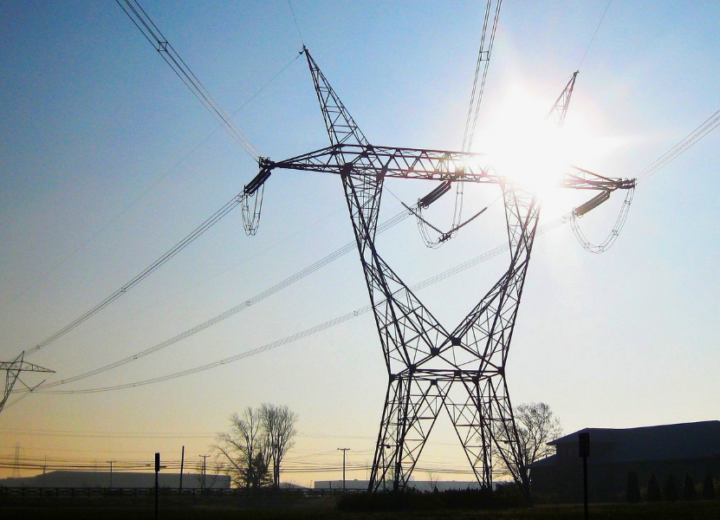
On steamy days like we experienced over the first week of July, the demand for electricity increases in step with the numbers on the thermometer. But no matter the weather, AEP Ohio stays prepared by working year-round with PJM, our regional grid operator, to monitor the supply and demand for electricity across our service territory.
Prepared for Peak Demand
PJM expects to have sufficient generation capacity to meet the typical peak demand this summer, which it had predicted to be just over 156,000 megawatts (MW) for its 13-state region that includes Ohio. However, on July 2, PJM estimates that its peak load likely surpassed its all-time record of 165,600 MW set in 2006.
What This Means for You
AEP Ohio will keep customers informed if PJM issues requests for energy conservation or grid protection measures. We’ll reach out through:
- social media
- text messages
- automated phone calls
- emails
- local news media
Make sure we have your current contact information and verify that you’re signed up to receive notifications by visiting AEPOhio.com/Account.
If our requests to customers, including large users of energy, to reduce their electricity usage aren’t enough to meet demand, PJM may tell AEP Ohio and other utilities in its territory to initiate emergency power outages as a last resort to protect the grid. PJM may provide AEP Ohio with as few as five minutes’ notice to reduce energy use (or “shed load”) via emergency power outages. AEP Ohio will always do our best to provide customers with advance warning before such emergency grid protection outages are implemented.
If we are required to begin emergency outages and if grid conditions allow it, we will attempt to limit the length of time customers are without power by moving or “rolling” the outages to different parts of the grid for short durations, then moving the outages to the next group of customers and restoring those who were out previously.
Our Commitment to Safety and Reliability
AEP Ohio’s equipment is designed and maintained to operate safely and effectively under all weather conditions, including extreme heat. Should outages occur, we have line, tree and support personnel stationed at over 40 service centers across the state, ready to respond safely and as quickly as possible.
How to Conserve Energy This Summer
AEP Ohio always encourages customers to use energy wisely, especially during the warmer months. If PJM directs us to call for energy conservation, we may ask all our customers to reduce their energy use and help prevent potential outages. Two of the biggest things you can do are:
- Adjust your thermostat: Increase the temperature on your thermostat to 78 degrees or whatever is safe and comfortable for your household. Every degree makes a difference.
- Limit large appliances: Avoid using large appliances (especially those that produce heat) like ovens, washer or dryers during the hottest parts of the day.
What Are Demand Response Programs and How Do They Help?
When demand for electricity is at its highest, PJM will first call on utility companies’ demand response programs, like AEP Ohio’s Power Rewards. These programs incentivize customers who have opted in to reduce their electricity consumption during system emergencies, helping to stabilize the grid and avoid outages. The program works like this: While an energy conservation event is underway, a signal will be sent to your smart thermostat to temporarily adjust your temperature set point by no more than 3 degrees. Your home will not instantly become warmer or colder. In fact, you may not notice any temperature change at all. At the end of the event, your thermostat returns to its target temperature and your original schedule. Learn more or sign up at AEPOhio.com/PowerRewards.