
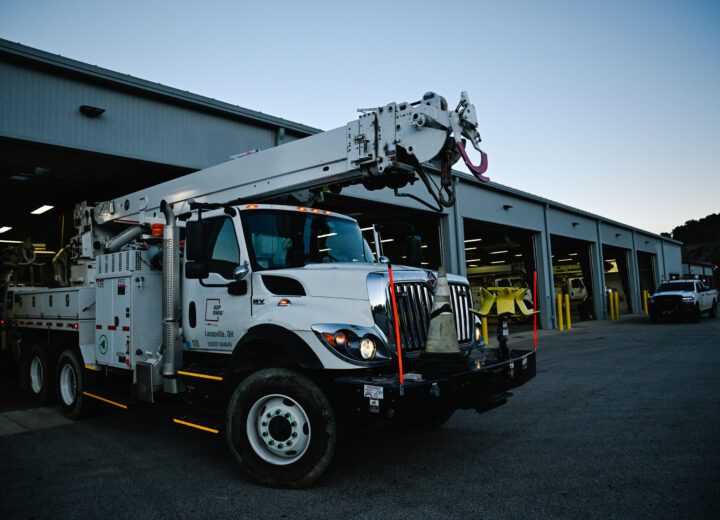
Most people start thinking about a storm when the wind picks up or the sky turns dark. For AEP Ohio Emergency Preparedness Manager Dave Gray, storm prep starts long before that.
Storms can be unpredictable — and preparation can make a big difference. That’s why the work to keep customers’ lights on begins days before inclement weather approaches our service territory.
“Our planning helps our crews be strategically placed to respond quickly and restore power safely because time is of the essence during severe weather,” Dave said.
Every morning, Dave reviews a report from AEP’s meteorology team that outlines what the weather might bring. Most days it shows calm skies, but it’s the days with potential for severe weather that could lead to power outages that put Dave and his team in motion.
The report lays out the basics:
- When the weather might arrive.
- How strong the winds could be.
- How much ice we might get.
- How extreme (hot or cold) the temperatures could be.
- Which areas might feel the biggest impact.

From there, operations managers, safety leaders and Dave’s team start watching closely. They track weather patterns, forecasts and incoming data to stay one step ahead. This preparation helps us know where to stage crews so they’re ready to respond to potential outages quickly, reducing the time our customers spend without electricity.
Predicting Damage Before It Happens
Next, teams review the Storm Outage Prediction Model (SOPM). This tool looks at past storms and compares them with the latest forecast. It helps predict:
- Where outages could occur.
- About how many customers might lose power.
- What kind of damage to our lines, poles and equipment crews might see.
Planning the Response Early
Once teams understand the risks, they activate what’s called a pre-contingency plan. In simple terms, it means getting ready before the storm arrives.
“Crews and equipment are moved closer to areas most likely to see trouble. For example, if forecasts show strong winds in southern Ohio, trucks and supplies might be staged nearby so crews can respond quickly,” Dave said. “Positioning our crews early helps to restore service to our customers much more efficiently.”
Teams also watch storms affecting our sister companies. If severe weather causes damage there first, it can offer clues about what might be heading our way.
Real-Time Updates From the Field
When the severe weather arrives, crews in the field use iPads and mobile tools to report what they see. If they find a broken pole, a downed line or another hazard, they can send photos and updates right away.
Back in our operations center, leaders can see that information almost instantly. They can track conditions across the system and send help where it’s needed most. Real-time updates help teams make faster decisions, restore power sooner and keep crews working safely.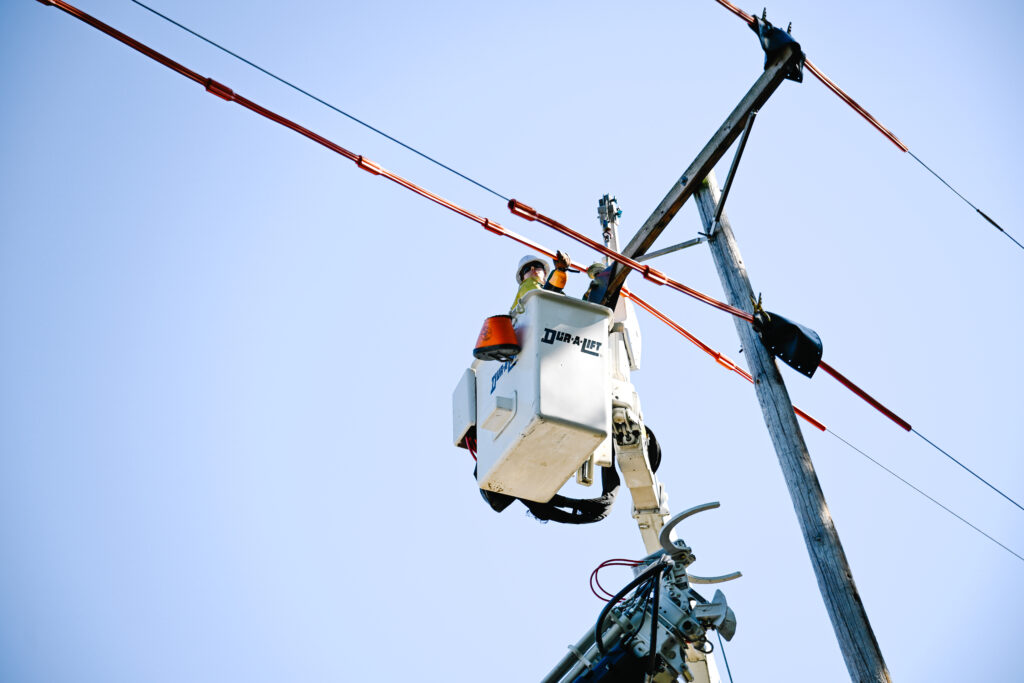
A System Built for Storms
Storm response doesn’t depend on just one tool or team. It’s a system that brings together:
- Weather experts.
- Prediction technology.
- Early planning.
- What crews encounter in the field.
“Together, these steps help teams predict, prepare, respond and restore service when severe weather hits,” Dave said. “All of this preparation is designed to keep communities safe and maintain reliable power — even during severe storms.”