
We know there’s been a lot of chatter about changes to your electric bill. This is happening because of a few separate things going on with utility bill rates. As electric costs change, AEP Ohio’s priority remains being transparent with our customers while keeping bills fair, predictable and easy to understand.
We’re working hard to push for changes in this process so things are clearer for you and everyone else we serve. Ultimately, the impact to your electric bill each month continues to depend heavily on how much electricity you use and where you get your electric generation supply from. Ohioans can choose to receive their generation supply from a Competitive Retail Electric Service (CRES) provider or remain on AEP Ohio’s Standard Service Offer (SSO) rate, where generation charges are passed through, dollar for dollar, with no markup.
As of March 23, our records indicate that you receive the generation portion of your bill from a CRES provider or live in a community that uses a CRES provider through governmental aggregation.
Transmission Rider Impact
Beginning in April, the average residential AEP Ohio customer who uses 1,000 kilowatt-hours (kWh) a month will see the following:
- Transmission costs increasing by about $7.90.
- Distribution costs decreasing by about $0.52.
The net impact is an increase of approximately $7.38 per month for the average AEP Ohio customer using a CRES provider. It’s important to note that this increase is separate from any rate changes from your CRES provider, which AEP Ohio has no control over, that may cause your bill to increase or decrease by a different amount.
Additionally, these changes are separate from AEP Ohio’s base distribution rate case under review by the Public Utilities Commission of Ohio (PUCO). That case proposes an initial overall decrease of $1.22 per month for the distribution portion of AEP Ohio customers’ bills.
Understanding Your Bill
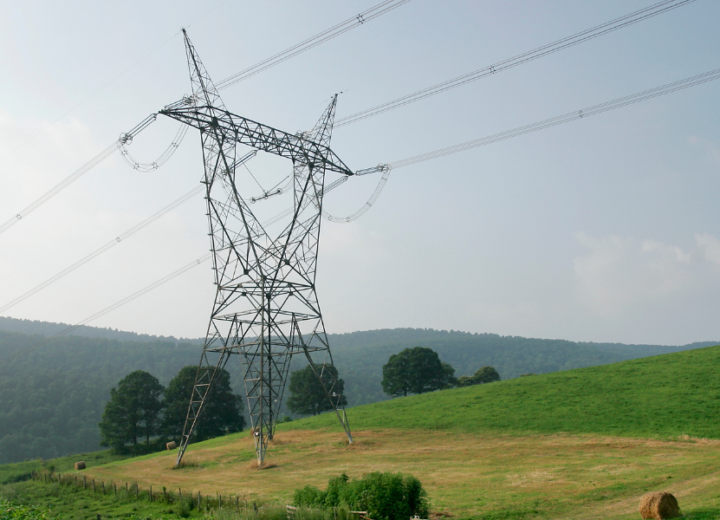
An electric bill is made up of three main parts: generation (the cost of producing electricity), transmission (the high-voltage lines that move power across the state and region) and distribution (the local poles and wires that deliver electricity to homes and businesses). Because each component is regulated separately in Ohio, they can and do change at different times.
Customers can visit EnergyChoice.Ohio.gov to compare CRES providers and their rates to AEP Ohio’s SSO rate.
We encourage you to take advantage of our bill assistance tool by completing a quick, 2-minute survey to see which programs you qualify for — there are options available for everyone.